
Designing bottle packaging isn’t just a creative exercise. It’s a mix of strategy, user understanding, engineering, and brand psychology, akin to packaging design thinking. When you break it down, the real goal is simple: create a bottle that looks good, feels right in the hand, communicates instantly, and works reliably throughout its lifecycle. Regent Plast approaches this with a blend of design thinking and deep manufacturing expertise, so let’s walk through how the process actually comes together.
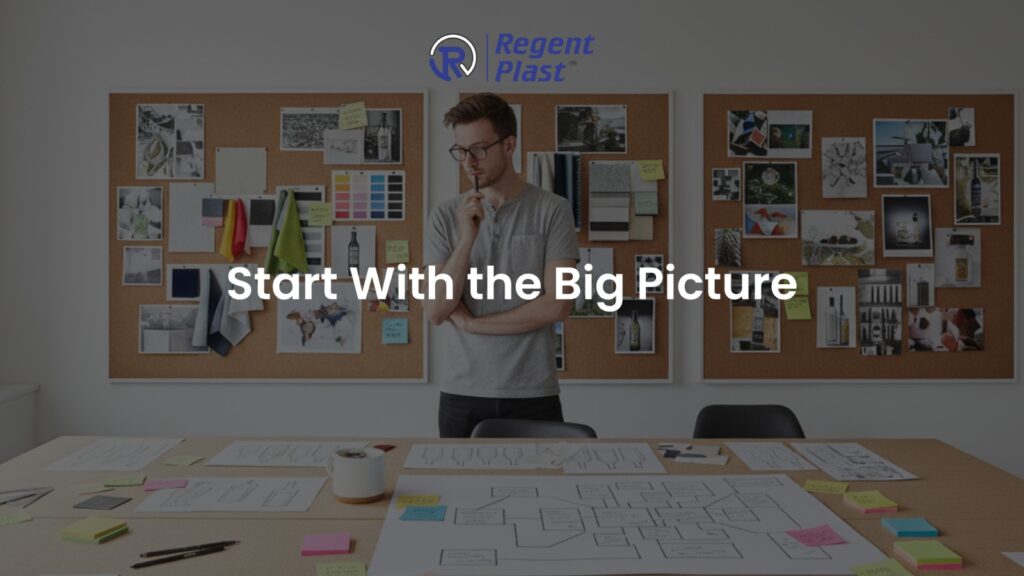
Start With the Big Picture
Here’s the thing: good bottle design always begins with clarity about who you’re designing for and what the product is supposed to signal. Before shapes and colors enter the conversation, Regent encourages brands to anchor their design around:
- Brand identity
- Product category norms
- Audience expectations
- Desired emotional response: Example Diamond Cut cosmetics bottle
Once that foundation is set, the rest of the process becomes sharper and more intentional.
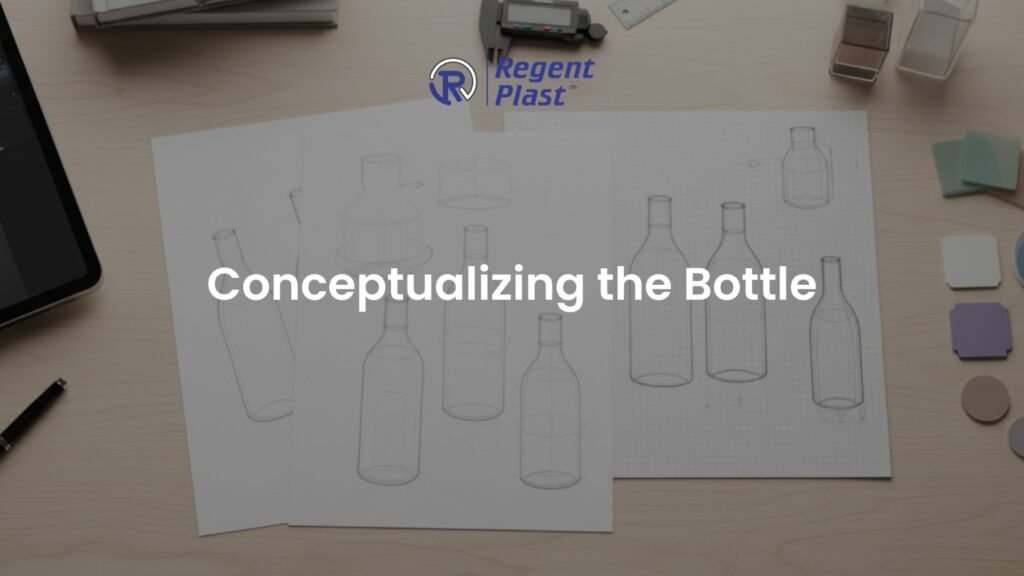
Conceptualizing the Bottle
This is where ideas start taking shape. Here is literally, a step by step guide.
The team usually begins with rough sketches or digital mockups, exploring how different silhouettes, proportions, and surfaces affect the brand story. A wide-mouth bottle might say convenience. A tall, slender form might read premium. A matte finish could cue luxury, while a bright glossy palette feels energetic.
During this stage, Regent often guides clients to consider:
- Shape: ergonomic grip, distinctiveness on the shelf
- Colour: category cues vs. bold differentiation
- Material: predominantly HDPE for strength, recyclability, and cost-efficiency
- Labelling style: minimal, bold, or information-heavy depending on product use
- Soft Touch for a luxurious feel
- Choice of Caps/ Closures for easy dispensing
What this really means is that design becomes a negotiation between aesthetics and practicality.
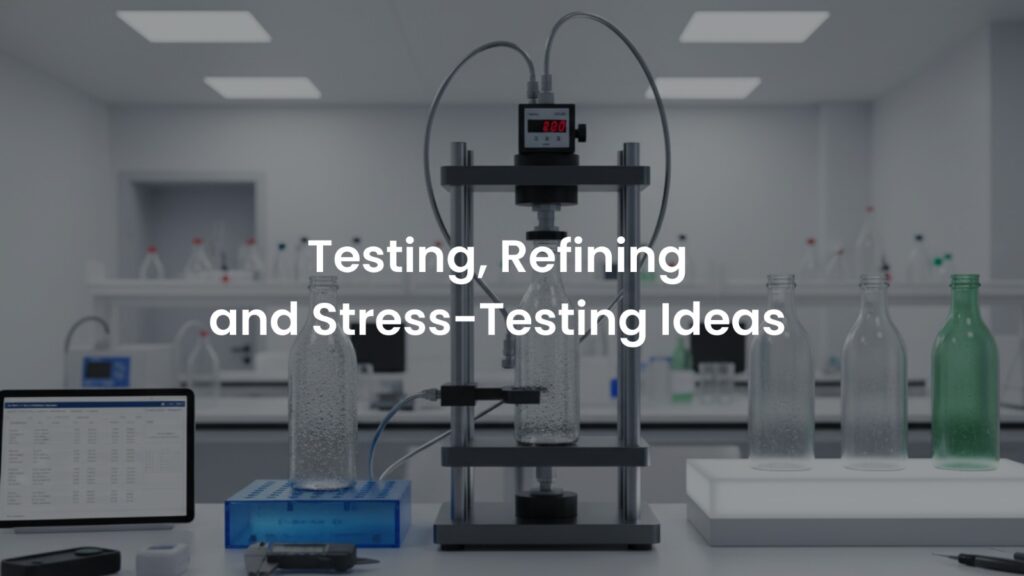
Testing, Refining, and Stress-Testing Ideas
A bottle might look perfect on a screen, but the real test starts once you hold it.
Regent’s process includes iterative refinement based on:
- Grip comfort
- Resealability: What is a tamper-evident cap?
- Pouring behavior: example of Liquid Detergent Bottles
- Portability
- Durability under transport
- Compatibility with closures, pumps, or dispensing systems
- Sustainability criteria
- Testing for E-Commerce Compatibility
This step helps brands avoid the usual pitfalls—poor usability, flimsy structure, or labels that don’t survive humidity or handling.
Regent’s Strength in Custom Bottle Design
Regent Plast has earned its reputation by helping brands translate ideas into distinct HDPE bottles that stand out without compromising functionality. Their customization capabilities include:
- Unlimited color matching
- Custom molds for unique shapes
- Wide necks, handles, special features
- Tailor-made embossing or debossing for branding
- Single-layer or multi-layer structures
If you’ve read their case studies, you’ll notice a common theme: clarity of purpose. Take the well-known Marico Parachute redesign. Instead of relying on cosmetic tweaks, the design team added a subtle water droplet cue and shifted the palette to underscore hydration—an idea that helped refresh the brand and reinforce its core promise.
This is the kind of strategic creativity Regent champions.
The 4Cs of Bottle Packaging Design
Regent’s design philosophy runs on the 4Cs. Think of them as the guardrails that keep creativity grounded in real consumer value.
Clarity
People should understand what the product is, how to use it, and why it matters within seconds.
Regent encourages brands to:
- Use clean layouts
- Highlight essential benefits
- Avoid clutter
- Use typography that reads well in real-world conditions
Creativity
This is where brands can break category monotony.
Regent uses creativity in ways that matter—custom molds, special color finishes, unique storytelling cues built right into the structure.
Consistency
A good redesign keeps the familiar elements that consumers trust while elevating visual appeal.
Logo placement. Brand colors. Category cues. These stay steady, even as the bottle evolves.
Consumer-Centricity
If customers struggle to open, hold, or pour from the bottle, nothing else matters.
Regent prioritizes:
- Easy-pour spouts
- Resealable caps
- Comfortable grip profiles
- Accessible label information
This lens keeps the final product grounded in real human use.
Putting It All Together
When these elements work in harmony, the result isn’t just packaging. It’s a brand moment consumers interact with every single day. And when engineered well, the bottle becomes a quiet ambassador for quality, trust, and usability.
Conclusion
Designing bottle packaging is a balancing act between brand storytelling, consumer behavior insights, and functional engineering. Regent Plast brings these threads together through custom HDPE solutions, data-backed design practices, and a strong understanding of what today’s buyers actually expect.
If you’re looking to build bottle packaging that stands out on the shelf and performs flawlessly in real-world use, Regent Plast is ready to partner with you. Their team blends design expertise with manufacturing precision, offering custom HDPE bottles, colour matching, mold development, and a full suite of open packaging solutions tailored to your brand’s goals.